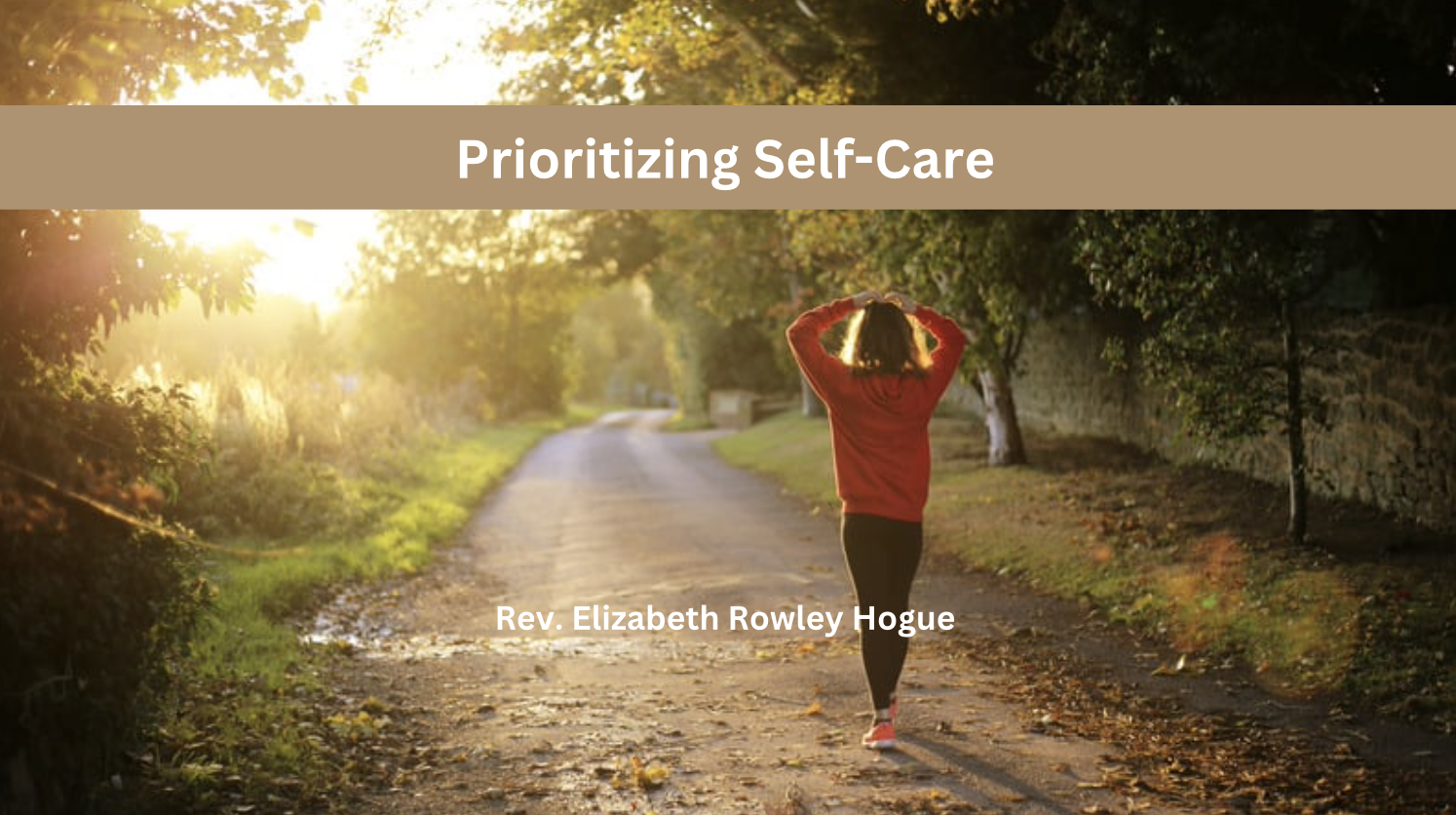
Prioritizing Self-Care
Self-care refers to intentional actions and practices that individuals undertake to promote their physical, mental, and emotional well-being. It involves taking time to prioritize and nurture oneself physically and emotionally to maintain a healthy balance in life.
Self-care activities can vary significantly from person to person. Still, they often include getting enough sleep, eating nutritious food, exercising regularly, practicing relaxation techniques, pursuing hobbies, spending time with loved ones, setting boundaries, and seeking support when needed. Specific self-care practices can be tailored to your preference and needs, helping you recharge, reduce stress, and enhance overall well-being.
As we progress in our spiritual awakening, we learn to make choices for ourselves and our lives that promote healing, health, and a deeper connection with the God of our understanding. Self-care is a choice.
Self-care is vital on a spiritual level for many reasons. It nourishes and supports all aspects of our being—mind, body, and spirit. Caring for yourself can cultivate a deeper connection with your inner self and higher consciousness. When you prioritize self-care, you create space for self-reflection, inner healing, and personal transformation. By tending to your physical, emotional, and mental well-being, you enhance your capacity to experience spiritual growth, heightened awareness, and a greater sense of alignment with your true self. Self-care is a foundation for our spiritual journey, enabling us to be more present, balanced, and receptive to the wisdom and insights that can arise from within.
Five self-care practices you can incorporate today to improve your quality of life are prioritizing sleep, practicing mindfulness or meditation, engaging in regular physical activity, connecting with others, and setting boundaries.
Prioritizing sleep means getting enough sleep which is crucial for your overall well-being. Establish a regular sleep schedule, create a calming bedtime routine, and ensure a comfortable sleep environment.
Practicing mindfulness or meditation means taking a few minutes each day to engage in mindfulness or meditation. This practice can help reduce stress, improve focus, and promote a sense of calm and clarity.
Engaging in regular physical activity means finding an activity you enjoy, whether it’s walking, dancing, yoga, or any other form of exercise, and making it a regular part of your routine. Exercising has numerous physical and mental health benefits.
Connecting with others is about building and nurturing relationships, which is essential for emotional well-being. Reach out to friends or family members, schedule a coffee date, or participate in group activities to maintain social connections.
Setting boundaries and practicing saying no empowers you to prioritize your needs and minimize resentments. Learn to say no to tasks or commitments that overwhelm you and make time for activities that bring you joy and relaxation.
Remember, self-care practices vary for each person, so feel free to customize them based on your preferences and needs. Practicing self-care is an integral part of our human experience. Your evolution depends on your commitment to self-care.
Try adding or increasing your time spent on the suggestions above this week. You deserve it.
And so it is.